







Find the IMEI, Model Number & Serial Number for Your Samsung Galaxy Device

All mobile devices have a unique identity that is made up of an IMEI number, serial number and model number. The IMEI (or MEID) and serial number are two forms of identification for your phone or tablet. Just like fingerprints for people, these two numbers are different for every phone and tablet. These identifiers help ensure that your device is not a counterfeit and can also help you find it if it is lost or stolen. Additionally, sometimes you may need the IMEI or serial number to redeem special promotions from Samsung or a 3rd party service provider such as Fix Factory Canada.

Note: Available screens and settings may vary by software version and device model.

The difference between IMEI/MEID and serial number

A serial number and IMEI are similar, but have some differences. The serial number is a unique number assigned by the manufacturer (like Samsung) to help identify an individual device, like a phone, tablet, TV, and so on. For example, your phone’s serial number will be different from every other phone Samsung has made. Serial numbers make it easier for the makers to organize and keep track of their products.

On the other hand, an IMEI or MEID is only used for phones or other communication devices. Depending on the carrier, your device will have either an IMEI or MEID. These two numbers are different from a serial number. They are used at an international or global level, not just by manufacturers. Both types of numbers can help network providers track down a device that has been stolen or lost.

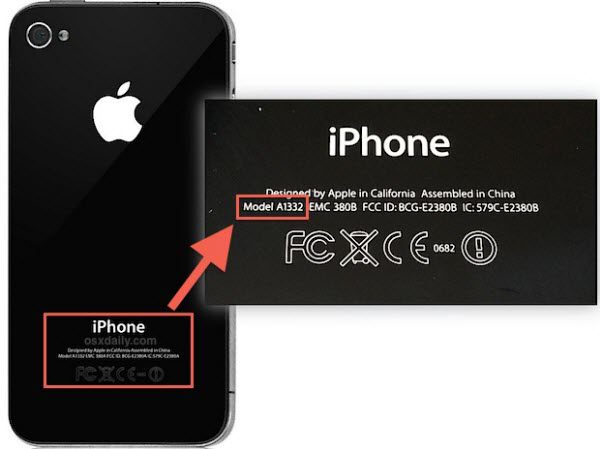
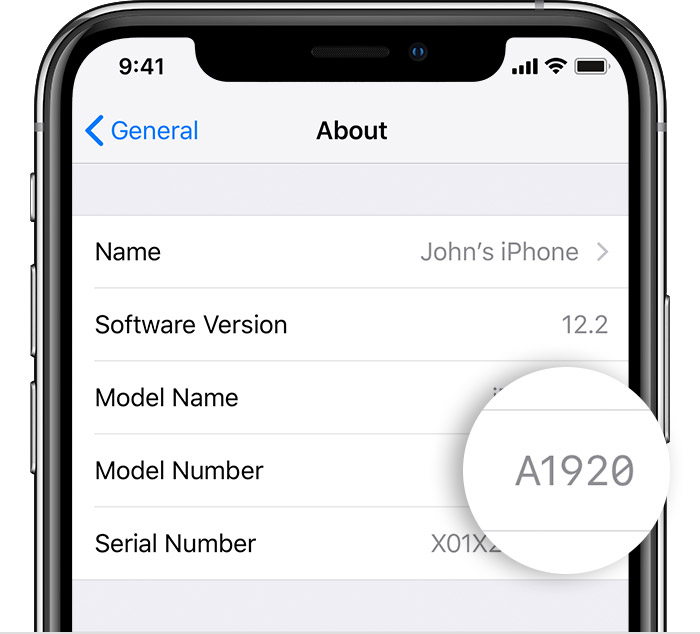
Finally, a model number is a specific number that applies to a range of products (i.e., the Note10, Tab S4, etc.). The number will vary depending on the year the product was released, its colour, the carrier, and some other factors. Every model that falls into that category (same colour, etc.) will have the same model number. For example, certain S8 models have a model number of SM-G950U, whereas some S9s have a model number of SM-G960U.

You can register or check your mobile device via At Your Service to find out more about your warranty coverage and find out what is covered, and if you have coverage.

Information about products not manufactured by Samsung, or independent websites not controlled or tested by Samsung, is provided without recommendation or endorsement. Samsung assumes no responsibility with regard to the selection, performance, or use of third-party websites or products. Samsung makes no representations regarding third-party website accuracy or reliability. Contact Us or the vendor for additional information.


Original Publish Date: April 08, 2021 | Source: https://www.samsung.com/sg/support/mobile-devices/how-to-find-the-imei-model-number-and-serial-number-for-samsung-galaxy-device/

iPhone Glass Only Repairs – Not All They Are Cracked Up To Be

iPhone Glass Only Repairs

When you drop your iPhone you have that horrifying moment of dread.  They fall like toast – butter (screen) side down and as you pick it up you slowly turn the iPhone in the hope it hasn’t cracked. Sometimes you feel relieved but if you’re not so lucky the screen now resembles crazy paving and using it risks little glass daggers in the end of your fingers.

Now you know you have to get it fixed but it’s an expense no one wants. You’re already fed up that your precious phone is broken let alone having to spend more money to get it fixed. So you hit the web looking for the cheapest price possible. It’s understandable. Most iPhone fix hits on our website are from customers using the search term “Cheap iPhone screen fix”.  Cheap repairs though are not always the best, we’ll tell you why next!

What is a “Glass Only” fix?

Most modern phones are built and sold as a sealed unit. There are not many phones anymore where they are made to be serviceable by the user.

You cannot even change the battery in most flagship smart phones. Fix centres are able to get in though and once access to the internals is obtained the phones are of a modular design. The battery, logic board, cameras and screens are normally whole modules attached by flexible ribbon cables that are plugged together.

With iPhones, Samsung Galaxy phones, Sony Xperia phones and the like, the front screen is manufactured as a complete sealed unit. The touch screen digitizer, LCD, front glass and frame are bonded together with strong adhesive and optical glue. Quite often when a phone is dropped it is just the front glass that breaks. The picture may still display and the phone will probably still respond to touch. Because of this it may seem a waste to replace the whole screen but there is a reason why we do.

Some companies, one man bands and what we call “Home Fixers” (not registered businesses but have ads) advertise glass only fix – normally a little cheaper than businesses that offer full screen repairs (like Fix Factory).

Some of them will offer 2 prices – one for a full screen and one for if the LCD or touch screen is still working. The reason for this is that they are recycling the broken screens from other iPhones they have fixed by replacing the glass on old screens and then installing them in other phones.

How is the Glass Only Fix Done?

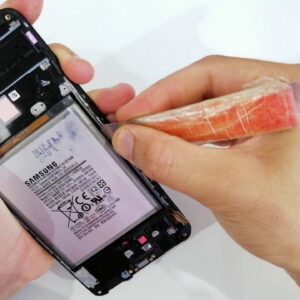
First they will remove the frame that holds the screen to the phone. They then heat up the glue and try to remove the broken glass from the LCD.

This can cause scratches and dust to fall on the LCD. They then use cheap 3rd party glass and

attempt  to stick the glass on to the cleaned LCD. This quite often leaves visible dust, air bubbles and sometimes scratches on the underlying LCD. The adhesive used is normally UV light activated to cure it and the glue used isn’t always as strong or as long lasting as the original. Also if the glue isn’t correctly applied or bonded properly, the LCD may have a shadow round the outside noticeable in certain lights.

While this might not matter to some people there are more draw backs that can happen further down the line. If the glass isn’t well sealed to the holding frame it can fall out and break again. Also if there is any dust, air bubbles or marks on the LCD the resale value of the phone will be greatly diminished.

An example of a poor iPhone 6 glass only fix:

The iPhone pictured here was schedule for diagnostics today (via our easy online chat and website – due to the current 2020 pandemic). It had been fixed twice by the same “local company” and both times the glass became detached after just a few weeks. The business that did this fix didn’t honour a warranty blaming the customer for mistreating the phone, so he was charged for a full fix both times.

The Client also had an iPhone 5s fixed at the same time and the screen was coming away on that too but wasn’t too bad at the time so the customer is living with it for now. Both phones had been fixed the same way by the same person – glass only repairs.

As you can see on the picture (left), there is very little adhesive between the frame and the glass and it looks like normal super glue was used. It is our belief that because of this, the glass lifted from the frame and as it is attached to the logic board at the top by ribbon cables, the glass screen lifted up off the frame from the bottom and was able to flap around and crack the glass along the top. Not good, and certainly not the fault of the customer.

So should you dismiss glass only repairs?

While glass only repairs can be done well it is a very skilful fix that requires quite expensive equipment to be done right. Automatic glass bonding machines and vacuum chambers to remove bubble can result in a good finish but cost thousands of dollars so for an actual legitimate business, the investment wouldn’t generate a cost saving or much of a return. Because of that fact, we import certified OEM parts direct from established, quality suppliers – that are the full screen assembly. The actual saving in time and parts of glass-only repairs isn’t economical. While the parts we use are more expensive, you get a perfect finish and returns are virtually non-existent, as well as a better user experience!

Our advice would be to ask for full screen repairs as they will almost never go wrong unless another drop happens which is the same for any screen.

If you really do want a glass only fix ask what equipment the fixer is using (just a hot plate and wire or a fully automated bonding machine in a dust free environment with a vacuum chamber to remove bubbles), and what is the expected finish (bubble and dust free or is a less than perfect finish expected), but we don’t recommend that route.

Looking for a quality fix – with a lifetime guarantee? Check out our online shop!