














Glass-Only vs. Full Screen Replacement
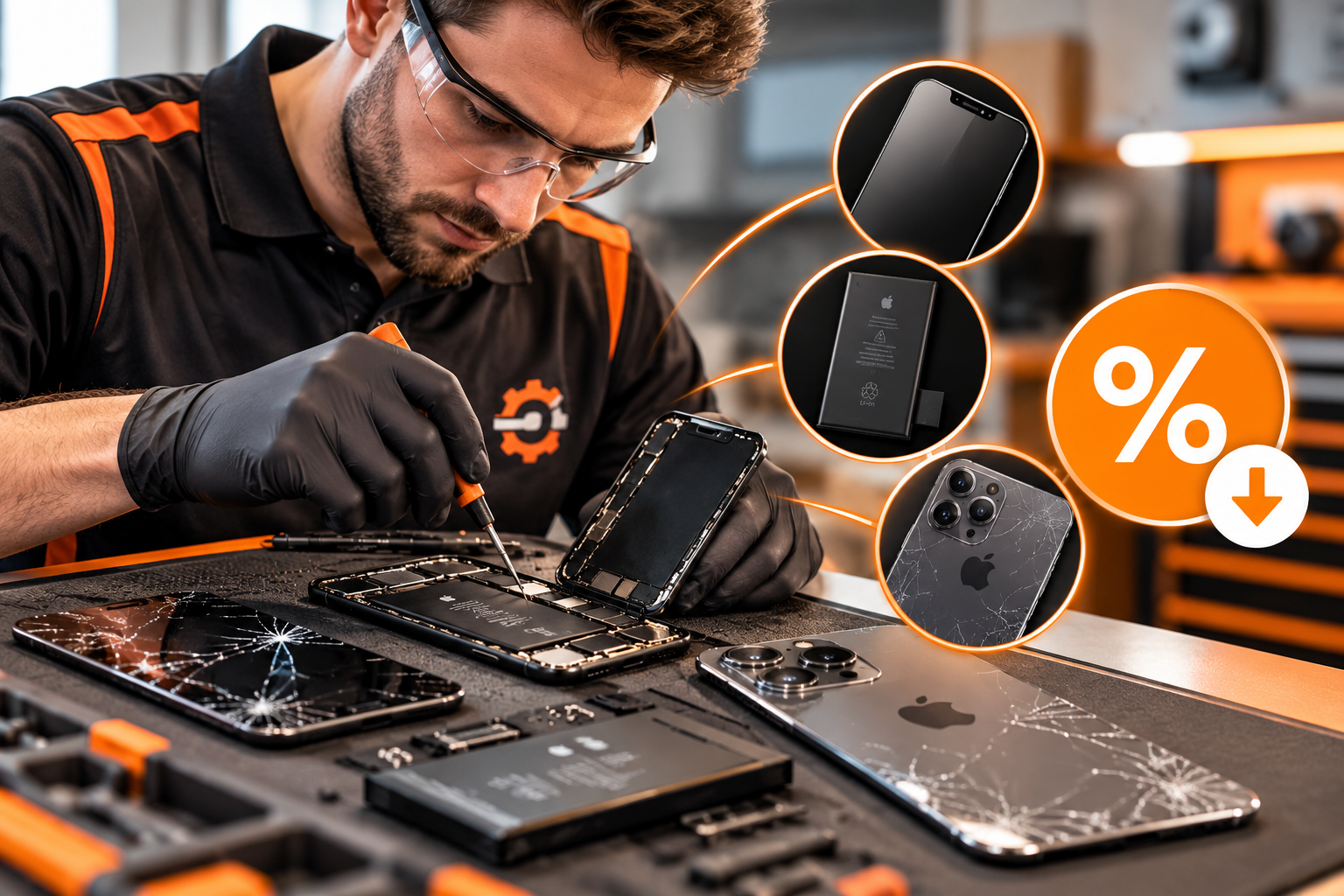
A cracked phone can still display an image and respond to touch, which makes a glass-only repair sound tempting. But the way modern displays are built means there are important differences in quality, consistency, and long-term durability.
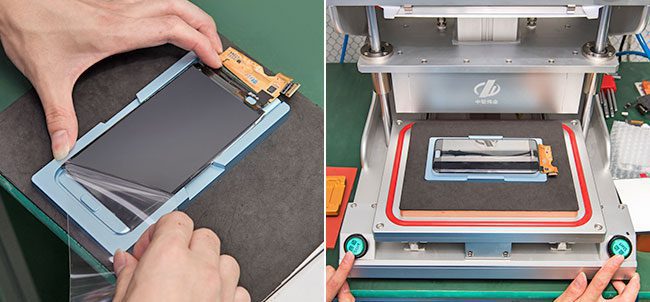
A modern phone display is normally built as one bonded assembly.
The front glass, touch layer, display panel, and surrounding frame are typically bonded together. A full-screen repair replaces that assembly. A glass-only repair separates and rebuilds the original display instead.
Two very different repair approaches.
Both can be performed successfully, but they involve different equipment, labour, and quality-control requirements.
Rebuild the existing display
The broken outer glass is separated from the original display, the surface is cleaned, and new glass is laminated or bonded back onto the display.
- Requires careful separation of the broken glass
- Quality depends heavily on equipment and dust control
- Frame bonding and adhesive quality are critical
- Imperfections can become visible if the process is not done correctly
Replace the complete screen assembly
Instead of rebuilding the damaged display, the complete bonded screen assembly is replaced with the selected OEM or premium aftermarket option.
- Consistent, repeatable installation process
- No need to separate broken glass from the original display
- Factory-style bonded display assembly
- Backed by applicable Fix Factory warranty coverage
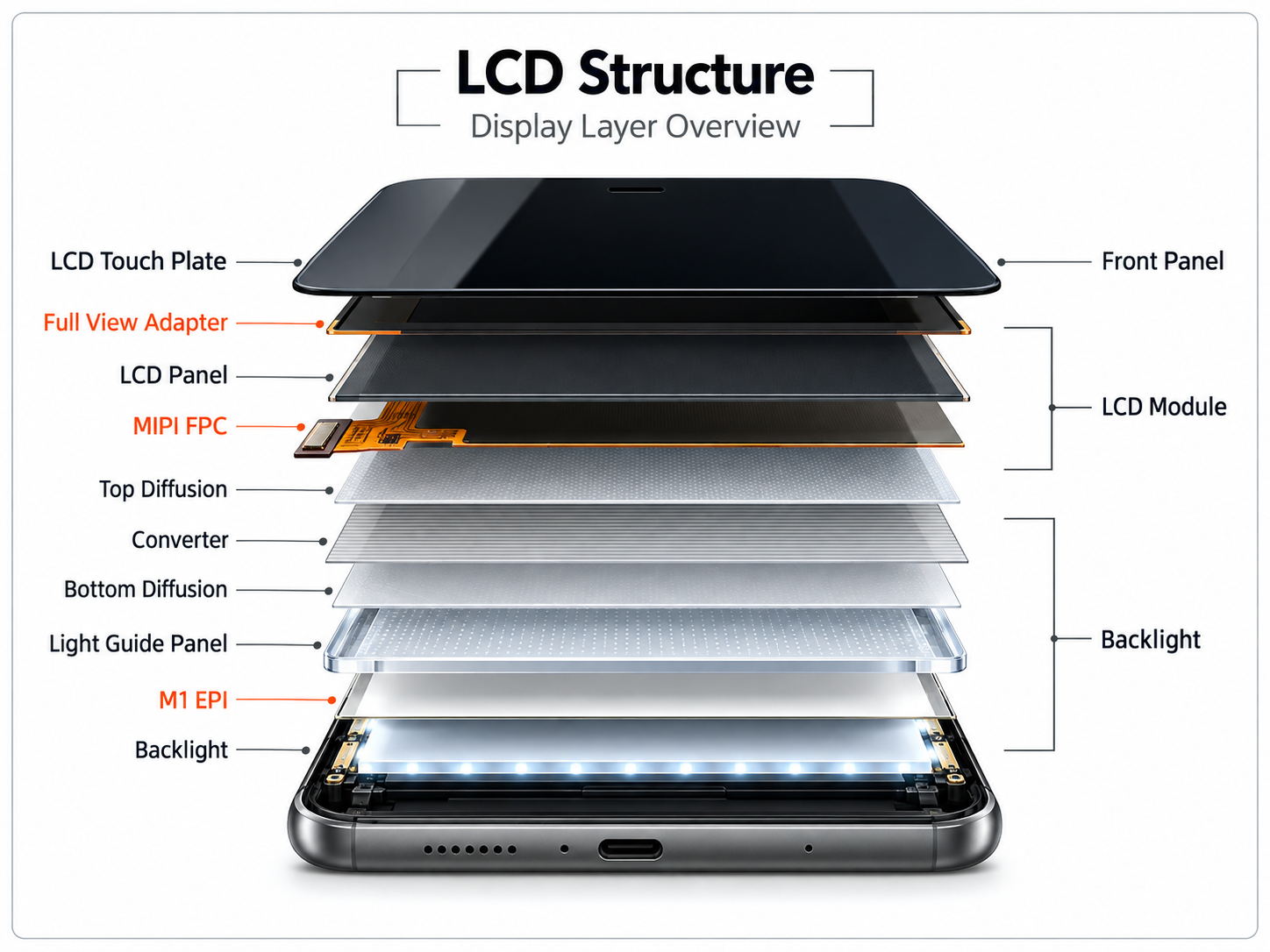
Glass-only work is more than simply gluing on new glass.
The old glass must first be separated from the display without damaging the underlying panel. The display then has to be cleaned, prepared, bonded, and sealed again.
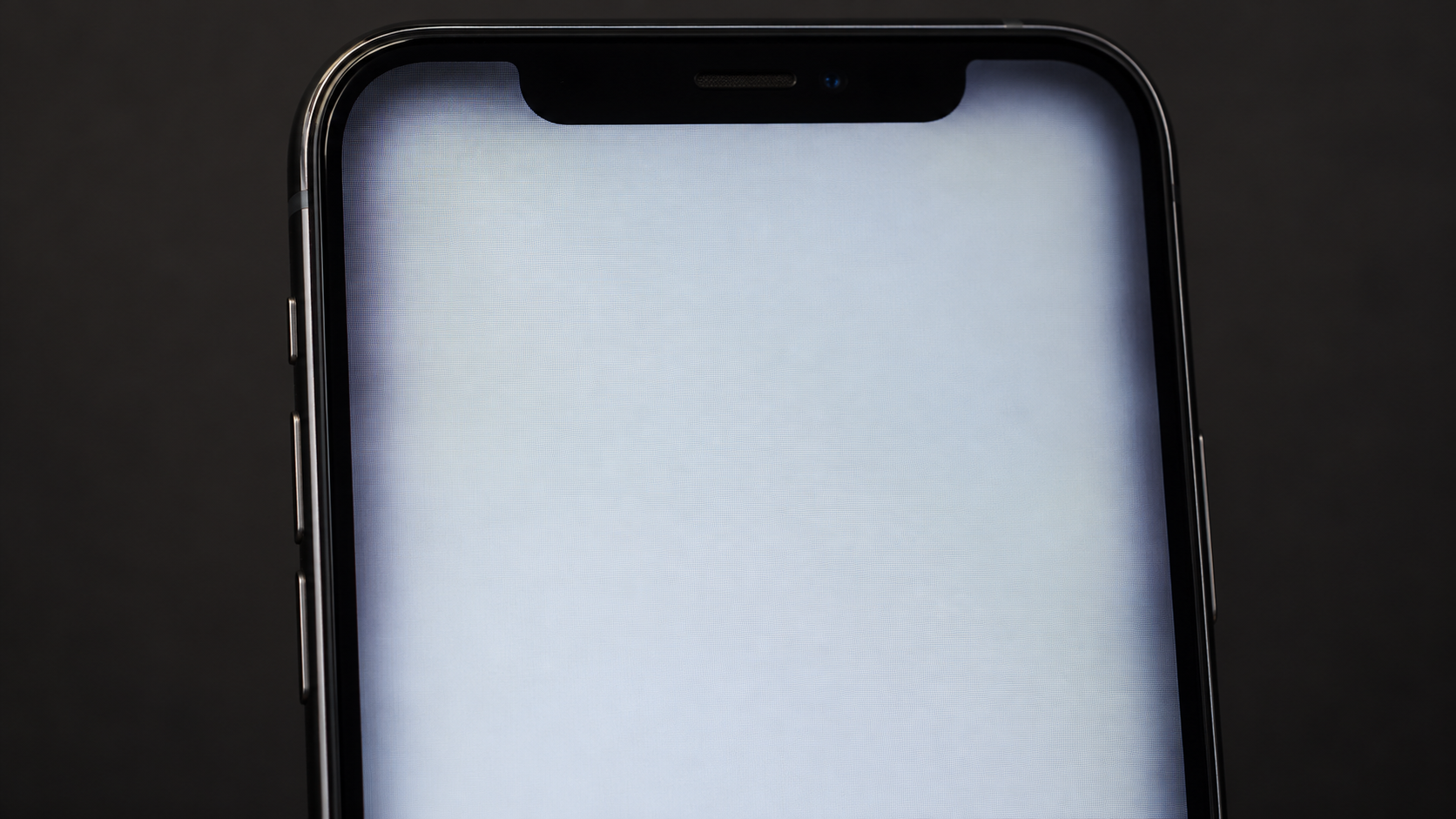
If the repair environment, adhesive, frame bonding, or lamination process is not controlled properly, the finished screen can show dust, bubbles, scratches, edge shadowing, lifting, or poor adhesion.
Common problems with poorly executed glass-only repairs.
Dust + Bubbles
Contamination trapped during bonding can remain visible under the glass.
Edge Shadowing
Uneven adhesive or bonding can create visible dark areas around the display edges.
Scratches + Marks
The original panel can be damaged during glass removal or cleaning.
Glass Lifting
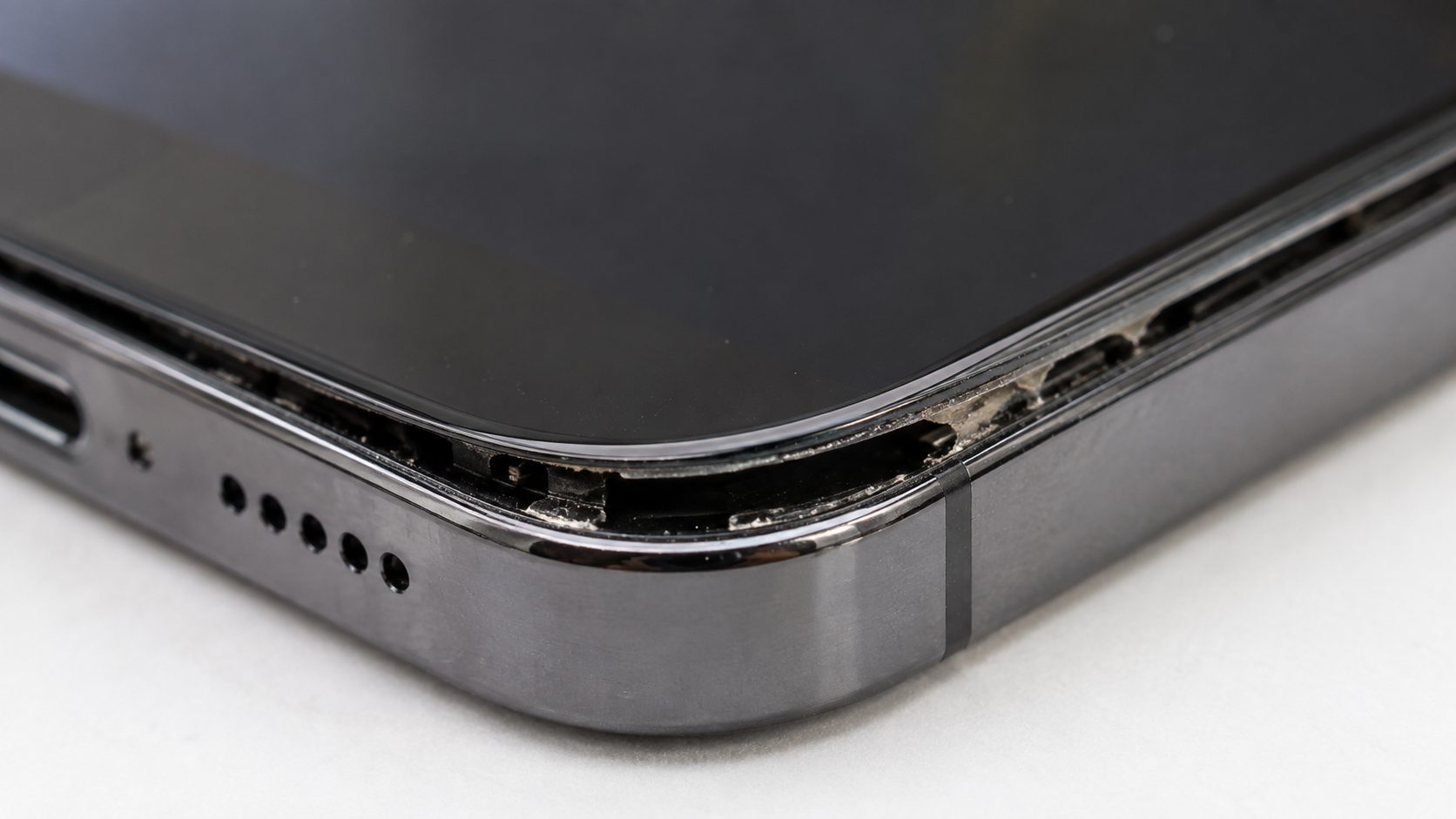
Poor frame adhesion can allow the glass or rebuilt display to separate over time.
When the glass doesn’t stay bonded to the frame.
We have seen devices where a previous glass-only repair later separated from the frame. Once the assembly begins lifting, movement can place additional stress on the glass and display connections.
The examples below show the type of lifting and edge shadowing that can occur when a rebuilt screen is not bonded or sealed properly.
For a customer-facing repair, we prefer complete screen assemblies.
Full assemblies cost more than replacing only the outer glass, but they provide a more consistent repair process and avoid many of the variables involved in rebuilding a damaged display.
If you are considering a glass-only repair elsewhere, ask what equipment is being used, how the display is laminated, how dust and bubbles are controlled, how the frame is re-bonded, and what warranty is provided on the finished work.
Choose your screen quality. Get Fixed™.
View available OEM and premium aftermarket screen options, pricing, service methods, and warranty coverage.