















In a world where electronic devices become obsolete faster than ever before, responsible refurbishment and recycling have emerged as crucial practices to mitigate the environmental impact of our digital age. As consumers, we can play a pivotal role in promoting sustainability and reducing electronic waste. This article delves into the importance of responsible refurbishment and recycling and how these practices are shaping a more eco-conscious future.
The Electronic Waste Challenge
The rapid pace of technological innovation has led to a consumer culture that constantly seeks the latest gadgets and gizmos. Unfortunately, this trend has also given rise to a significant problem: electronic waste, or e-waste. E-waste consists of discarded electronic devices, and it’s one of the fastest-growing waste streams globally.
Responsible Refurbishment: Extending the Lifespan
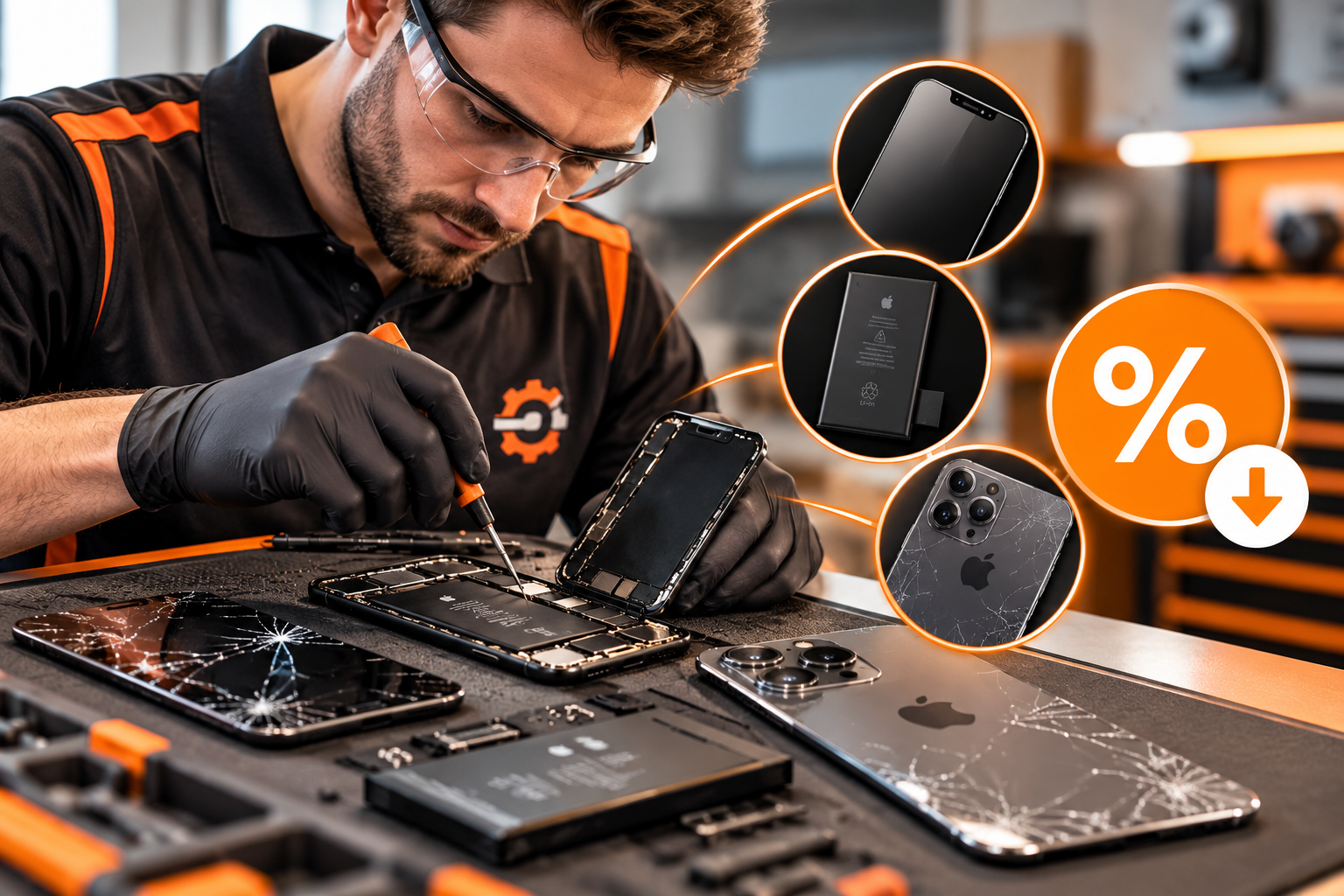
One of the most effective ways to combat e-waste is through responsible refurbishment. Instead of discarding old devices, refurbishing them can extend their lifespan and reduce the need for new manufacturing. Here’s how responsible refurbishment works:
- Assessment: Devices are carefully inspected to identify any issues or damage.
- Fix: Skilled technicians fix and replace faulty components, ensuring the device functions like new.
- Upgrade: When feasible, devices may be upgraded with newer, more energy-efficient components.
- Quality Assurance: Thorough testing guarantees the device meets high quality standards.
- Reintegration: Refurbished devices are reintroduced into the market, often at a lower cost than new ones, such as our Refreshed Device Product Range.
By choosing refurbished electronics, consumers not only save money but also contribute to reducing the demand for new production and the associated resource consumption and emissions.
Recycling: Proper Disposal of End-of-Life Devices
For devices that have reached the end of their useful life or cannot be refurbished, responsible recycling is the way forward. Electronic recycling involves safely dismantling, recovering valuable materials, and disposing of hazardous substances in an environmentally friendly manner. Here’s why recycling matters:
- Resource Recovery: Recycling electronics allows for the extraction of precious metals like gold, silver, and copper, reducing the need for mining and its associated environmental impact.
- Hazardous Materials: Many electronic devices contain toxic substances such as lead, mercury, and cadmium. Proper recycling ensures these materials are handled safely.
- Reducing Emissions: Recycling reduces greenhouse gas emissions compared to manufacturing new products from raw materials.
- Conservation: It conserves resources by reusing materials from old devices, reducing the pressure on natural resources.
Consumer Choices for a Sustainable Future
As responsible consumers, we have the power to influence the electronics industry. Here are some steps you can take:
- Buy Refurbished: Consider purchasing refurbished devices, such as smartphones, laptops, and tablets, from reputable sellers.
- Donate or Sell Old Devices: If you upgrade to a new device, consider donating, selling, or recycling your old one instead of letting it gather dust.
- Recycle Responsibly: When disposing of old electronics, use certified recycling programs or e-waste collection centers to ensure they are handled safely.
- Advocate for Change: Support policies and regulations that promote responsible refurbishment and recycling practices.
Responsible refurbishment and recycling are essential components of our journey toward a sustainable future. By embracing these practices, we not only reduce electronic waste but also conserve resources, reduce emissions, and support a more circular economy. As conscious consumers, our choices can drive positive change in the electronics industry, fostering a greener, cleaner, and more responsible approach to technology.